The industrial landscape is undergoing a profound transformation driven by the Internet of Things (IoT). At the heart of this revolution are intelligent sensors that collect, process, and transmit data in real-time, enabling unprecedented levels of automation and efficiency.
The Rise of Smart Manufacturing
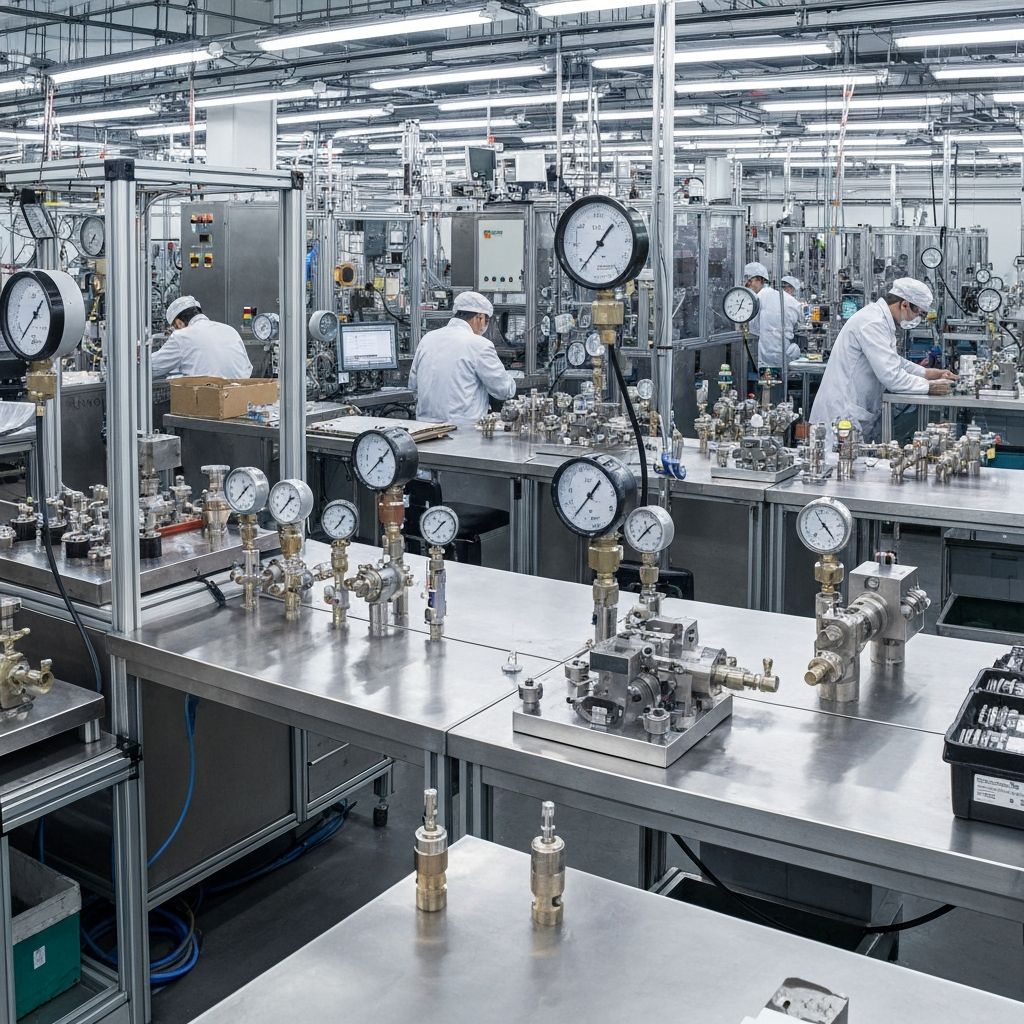
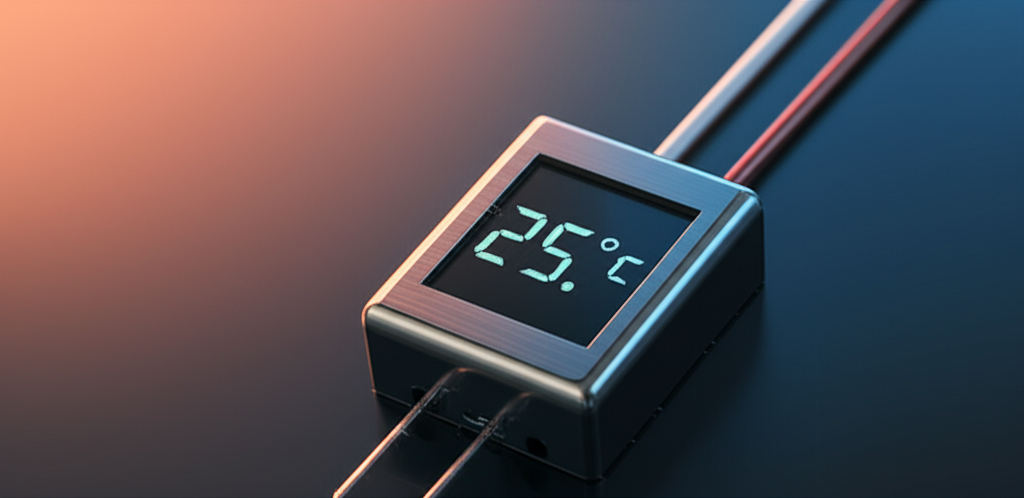
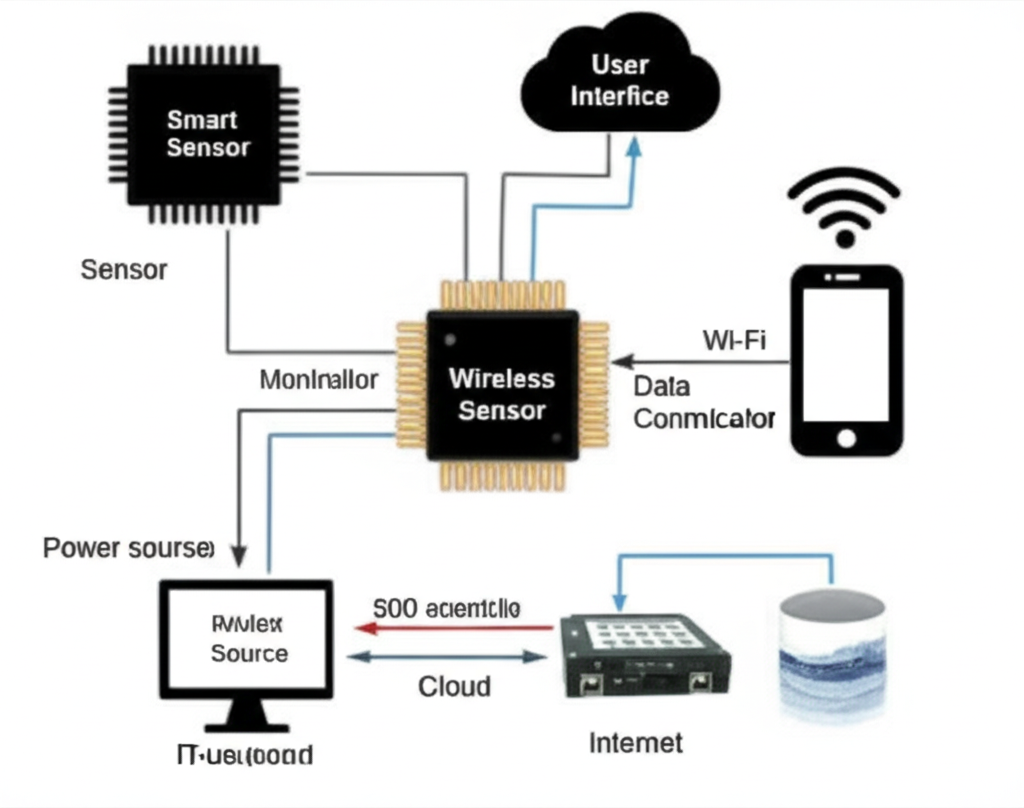
IoT-enabled sensors are fundamentally changing how manufacturing facilities operate. These devices go beyond simple measurement, incorporating advanced features like edge computing, wireless connectivity, and predictive analytics capabilities. Modern sensor networks can monitor thousands of data points simultaneously, providing a comprehensive view of operations that was previously impossible.
Key Benefits of IoT Sensor Integration
Organizations implementing IoT sensor networks are seeing remarkable improvements across multiple dimensions:
- Predictive Maintenance: By continuously monitoring equipment health, sensors can predict failures before they occur, reducing downtime by up to 50%.
- Energy Efficiency: Real-time monitoring of energy consumption allows for immediate optimization, with some facilities achieving 20-30% reductions in energy costs.
- Quality Control: Continuous process monitoring ensures consistent product quality and enables rapid response to deviations.
- Safety Enhancement: Environmental sensors detect hazardous conditions instantly, protecting workers and facilities.
Technical Considerations
Successful IoT sensor deployment requires careful attention to several technical factors. Network architecture must support reliable, low-latency communication between sensors and control systems. Data security protocols are essential to protect sensitive operational information. Power management strategies ensure long-term sensor operation, especially in remote or hard-to-access locations.
Real-World Applications
Leading manufacturers are already leveraging IoT sensors to transform their operations. One automotive supplier reduced equipment downtime by 45% through predictive maintenance enabled by vibration and temperature sensors. A pharmaceutical company achieved 99.9% process compliance by implementing comprehensive environmental monitoring throughout their production facilities.
The Path Forward
As sensor technology continues to advance, we can expect even more sophisticated capabilities. Edge AI will enable sensors to make intelligent decisions locally, reducing network traffic and enabling faster response times. Advanced materials will allow sensors to operate in increasingly harsh environments. And improved power efficiency will make wireless, battery-operated sensors practical for virtually any application.
The future of industrial operations is intelligent, connected, and sensor-driven. Organizations that embrace this technology today will be well-positioned to lead their industries tomorrow.